Education paths and Accessibility
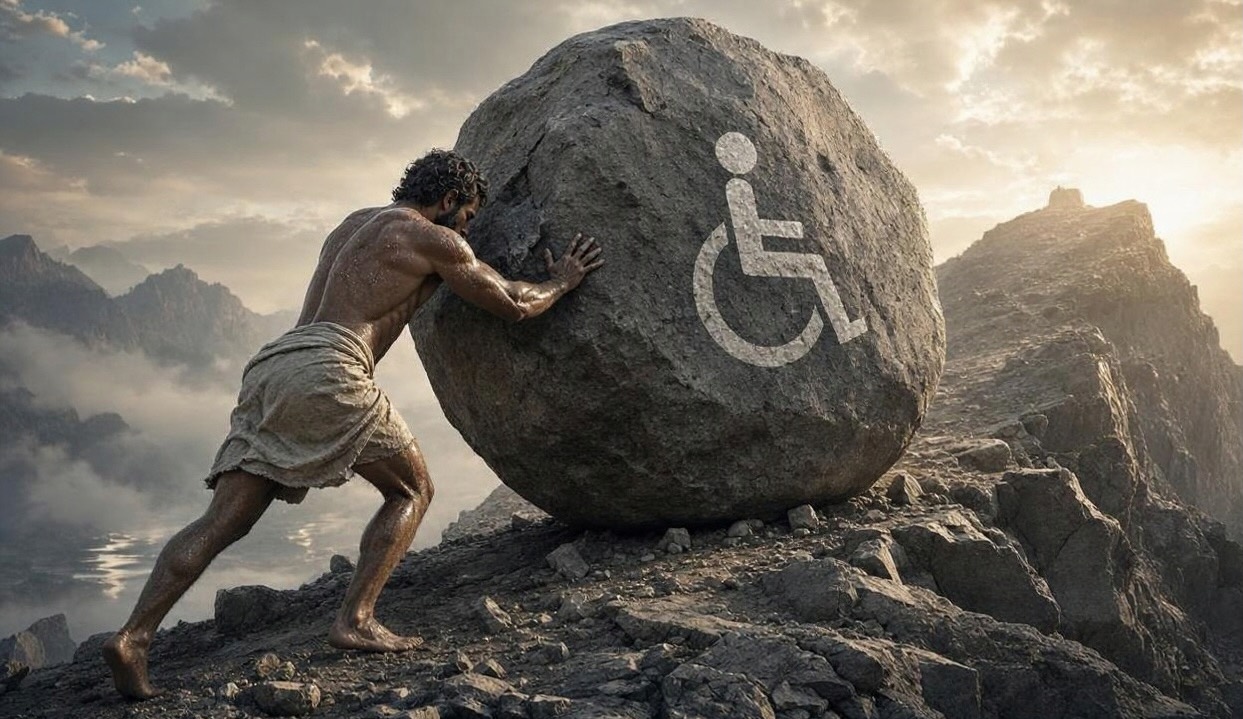
The primary barrier to creating accessible products is a lack of awareness and capability among the people who build them. In my option, of course.
I have seen this firsthand. I have been running accessibility training sessions since around 2010, and I usually begin by asking: "How many of you have received any kind of accessibility training before?"
On average, it's about 1 in 10 people who say they have done any kind of accessibility training before. While there may be a slight selection bias, I often training whole teams where everyone is present. In fact, the 1 in 10 who have some knowledge are often the most enthusiastic about being there, they want to learn more.
Those with previous experience often worked at companies where accessibility was a core focus—such as the BBC, some major tech firms, or educational institutions (e.g., IT or student support). In those cases, it was "on-the-job" training.
The place they did not gain accessibility knowledge? Their education path.
For designers and developers, the journey through school, college, and university rarely includes accessibility. As a result, practitioners gaining the awareness and capability needed for accessibility has been a persistent challenge for businesses, charities, and public sector organisations. It remains an ongoing problem: as soon as a team member is replaced or an organisation expands, you cannot assume the new hires have accessibility knowledge.
How different would things be if accessibility were incorporated into people's education path?
That does not mean just adding a single module to every design or computer science course. I remember a friend (Léonie Watson) doing a computer science course and not only did the course itself have many barriers, the examples and exercises built in various accessibility issues.
It would mean reviewing each course, its material, and ensuring it is not baking in accessibility issues. It means weaving just enough information about accessibility into the curriculum as students progress. This could be subtle. For example, a design course incorporating high-contrast text and icons with references to color vision deficiencies and low vision.
Also, rather than focusing on remediation (i.e. checking and fixing), it could focus on inclusive by design, doing things properly from the start.
I would have less training sessions to run (less pushing of the boulder, referring to the image at the top of the article), but the world would be a better place.
Footnote: Yes, AI will change things, but whilst people are still learning about creating digital things, this matters.